The Second International Conference on
Sustainable Waste Management: Circular Economy and Resource Recovery
Conference Chair: Dr. Amal Salim Al Rahbi
14-16 Sept 2026
IN PARTNERSHIP WITH

The Second International Conference on Sustainable Waste Management: Circular Economy and Resource Recovery builds upon the success of the first conference by addressing the evolving challenges associated with waste generation, resource depletion, environmental pollution, and energy consumption. This edition places a stronger emphasis on transitioning from conventional waste management practices toward circular economy–based solutions that promote resource efficiency and value recovery. By fostering collaboration across academia, industry, and government, the conference seeks to contribute to resilient waste management systems and accelerate the transition toward a circular and resource-efficient economy.
The 2nd International Conference on Sustainable Waste Management invites researchers, academics, industry practitioners, policymakers, and technology developers to submit original research papers, reviews, and case studies addressing recent advances and future directions in sustainable waste management, circular economy, and resource recovery. The conference aims to provide a multidisciplinary platform for knowledge exchange across engineering, environmental science, materials science, energy systems, digital technologies, and policy, with a strong focus on innovation, scalability, and real-world implementation.
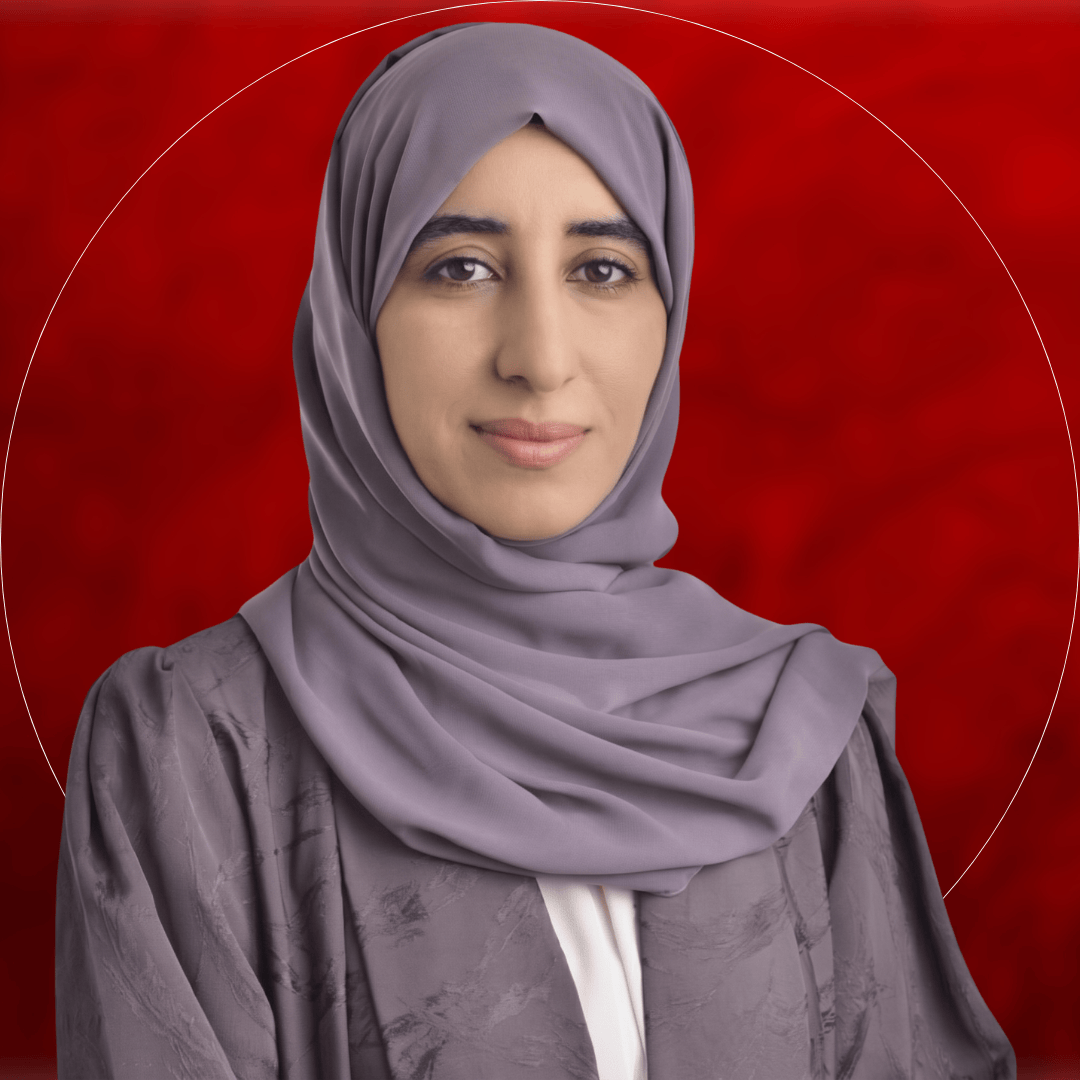
Dr. Amal Salim Al Rahbi
Chair of Sustainable Waste Management Conference
University of Technology and Applied Sciences. (UTAS)
Conference Chair
Dr. Amal Salem Al-Rahbi is a faculty member in Applied Chemistry at the University of Technology and Applied Sciences. She holds a PhD from the University of Leeds. Her research focuses on circular economy and waste-to-resource technologies, particularly waste-to-energy conversion through pyrolysis and gasification, hydrogen and syngas production, waste valorization, and sustainable catalyst applications. Dr. Al-Rahbi has published widely in high-impact international journals and has received international recognition through multiple awards and invited presentations. She has represented the Sultanate of Oman at major scientific forums across Europe and Asia and continues to play a key role in advancing sustainable and circular economy solutions at both national and global levels. She has extensive experience in organizing and managing international conferences and scientific events, fostering collaboration among researchers, industry professionals, and policymakers. Her work promotes the transformation of waste streams into valuable resources, supporting resource efficiency, sustainability, and the transition toward a circular economy.
International Committee
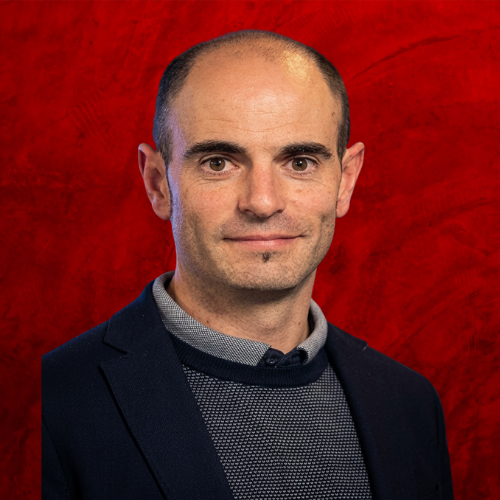
Dr. Gartzen López
University of the Basque Country - Spain
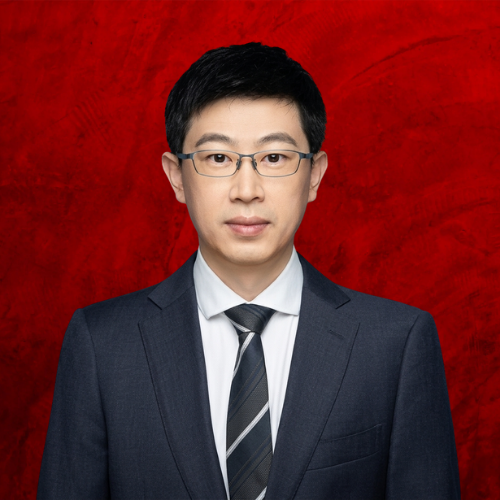
Dr. Hui Zhou
Tsinghua University
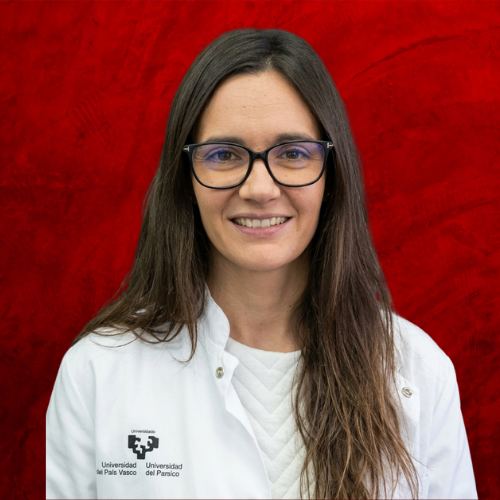
Dr. Maite Artetxe Uria
University of the Basque Country - Spain
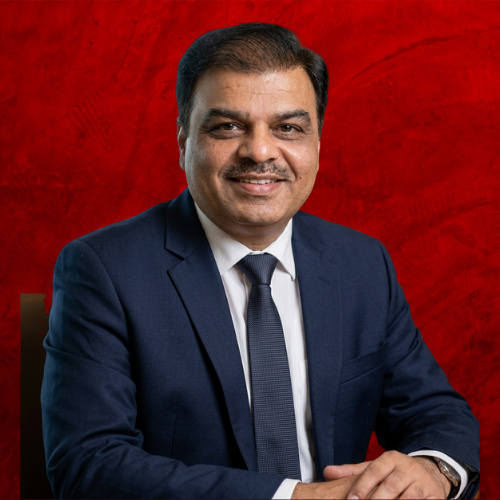
Dr. Noor Samad Shah
COMSATS University - Pakistan
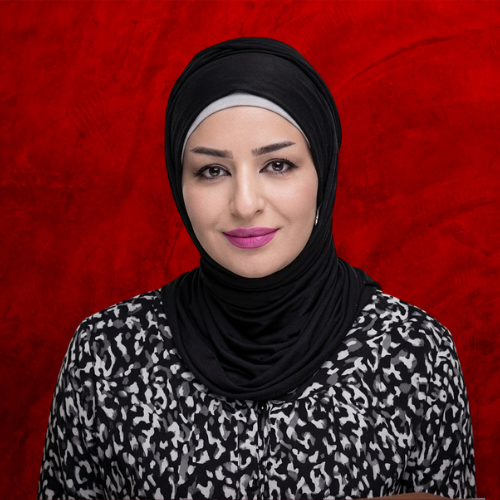
Dr. Rima Isaifan
Cambridge C University, Switzerland.
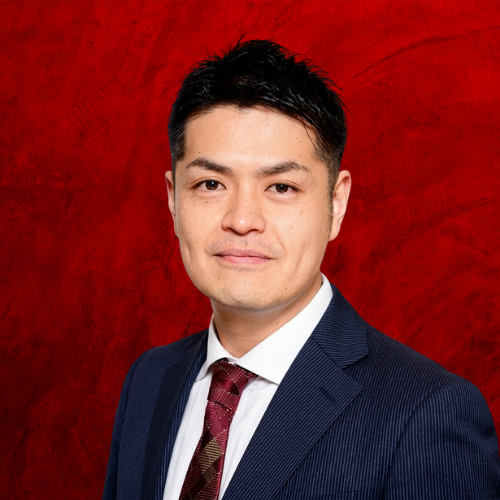
Dr. Shogo Kumagi
Tohoku University, - Japan
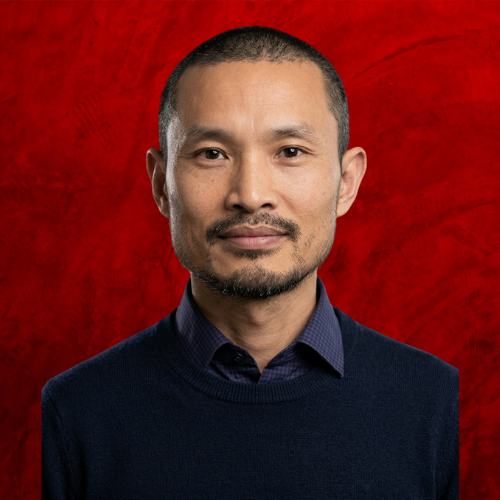
Prof. Chunfei Wu
Queen’s University Belfast - UK
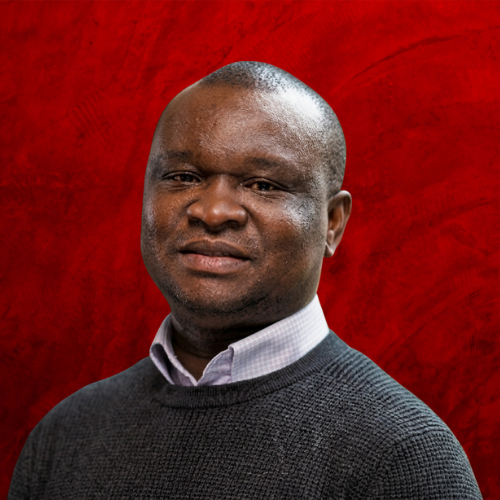
Prof. Jude Onwudili
Aston University
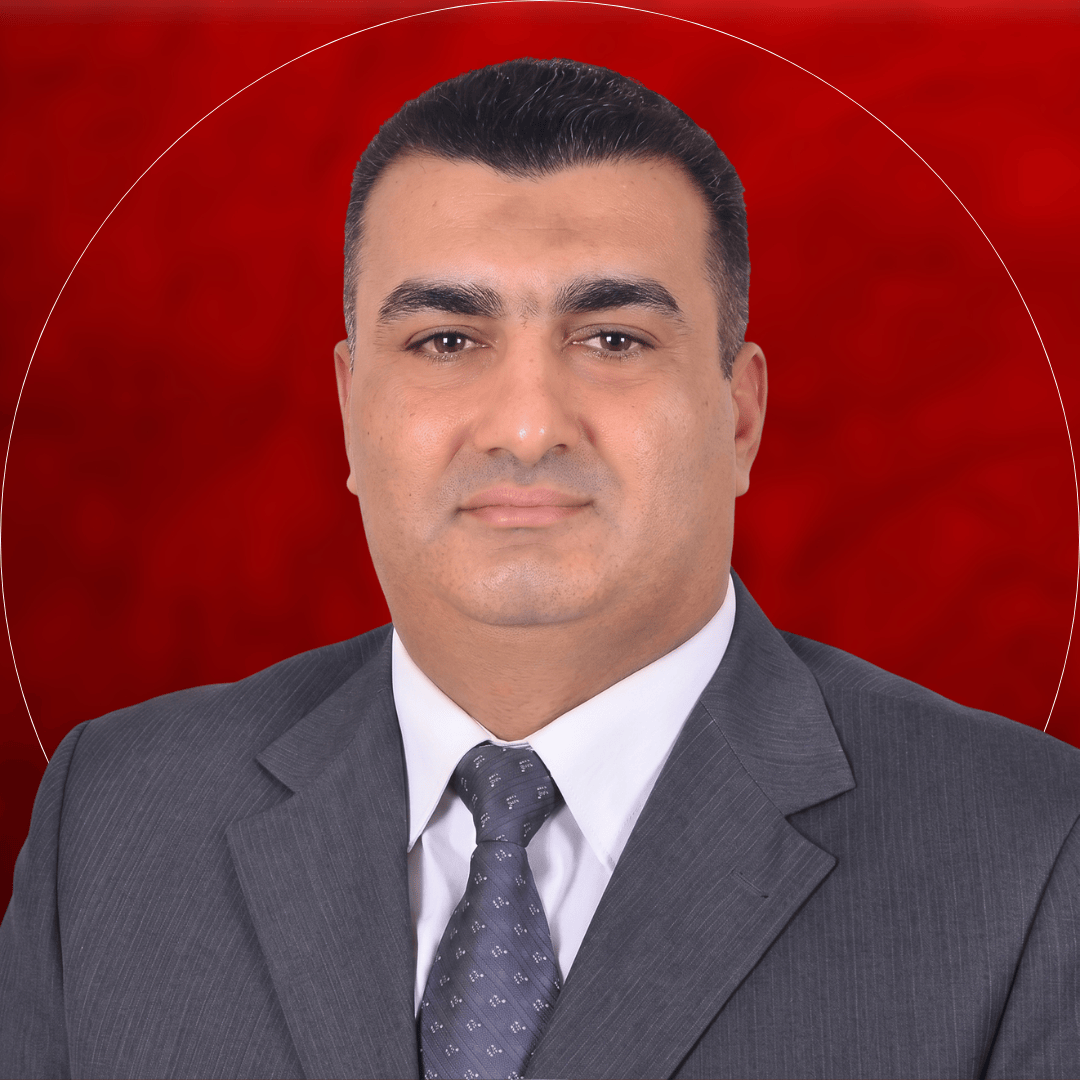
Prof. Mohamed El Khatib
Military Technological College (MTC), Oman
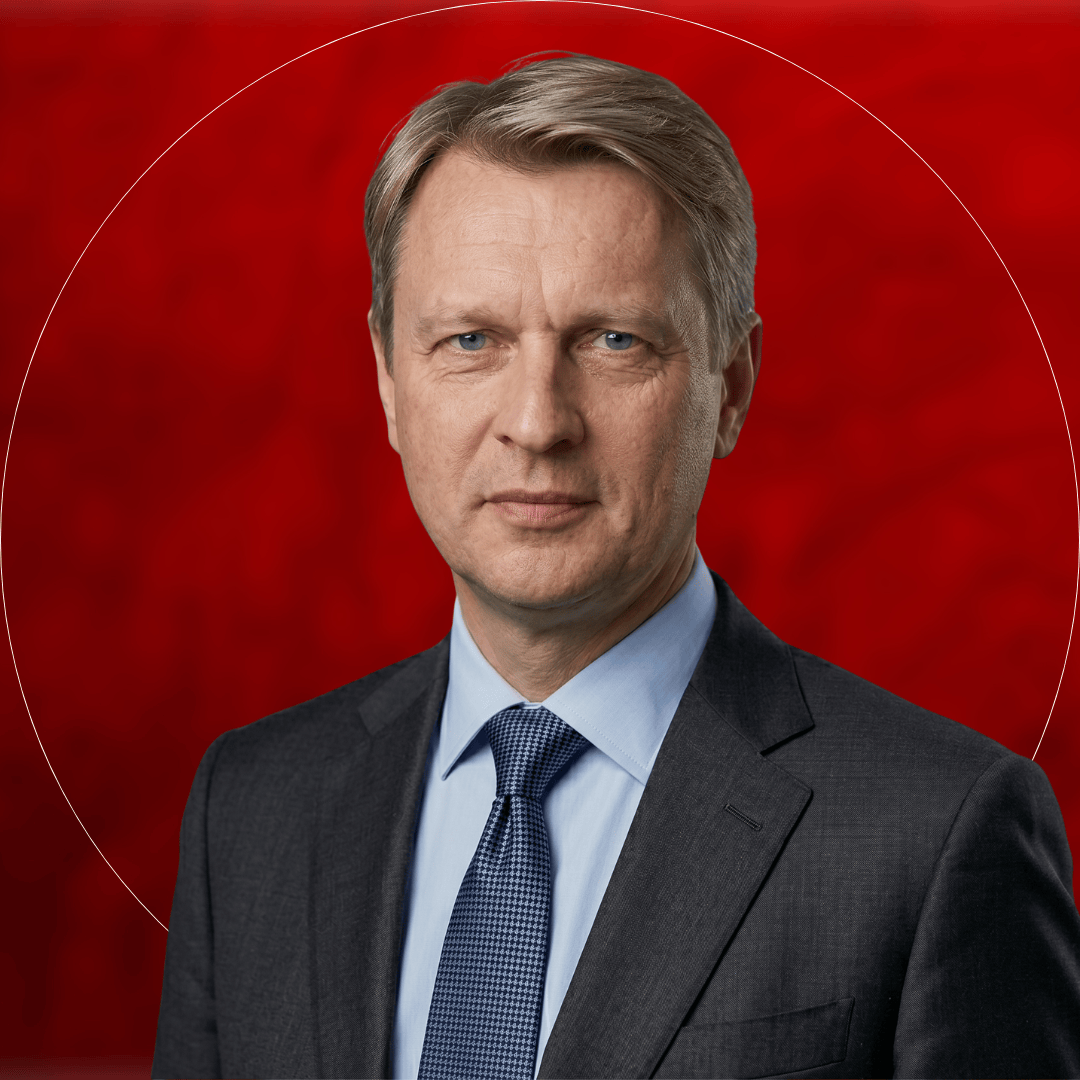
Dr. Sergey Seryy
Arva Greentech Remediation, Switzerland
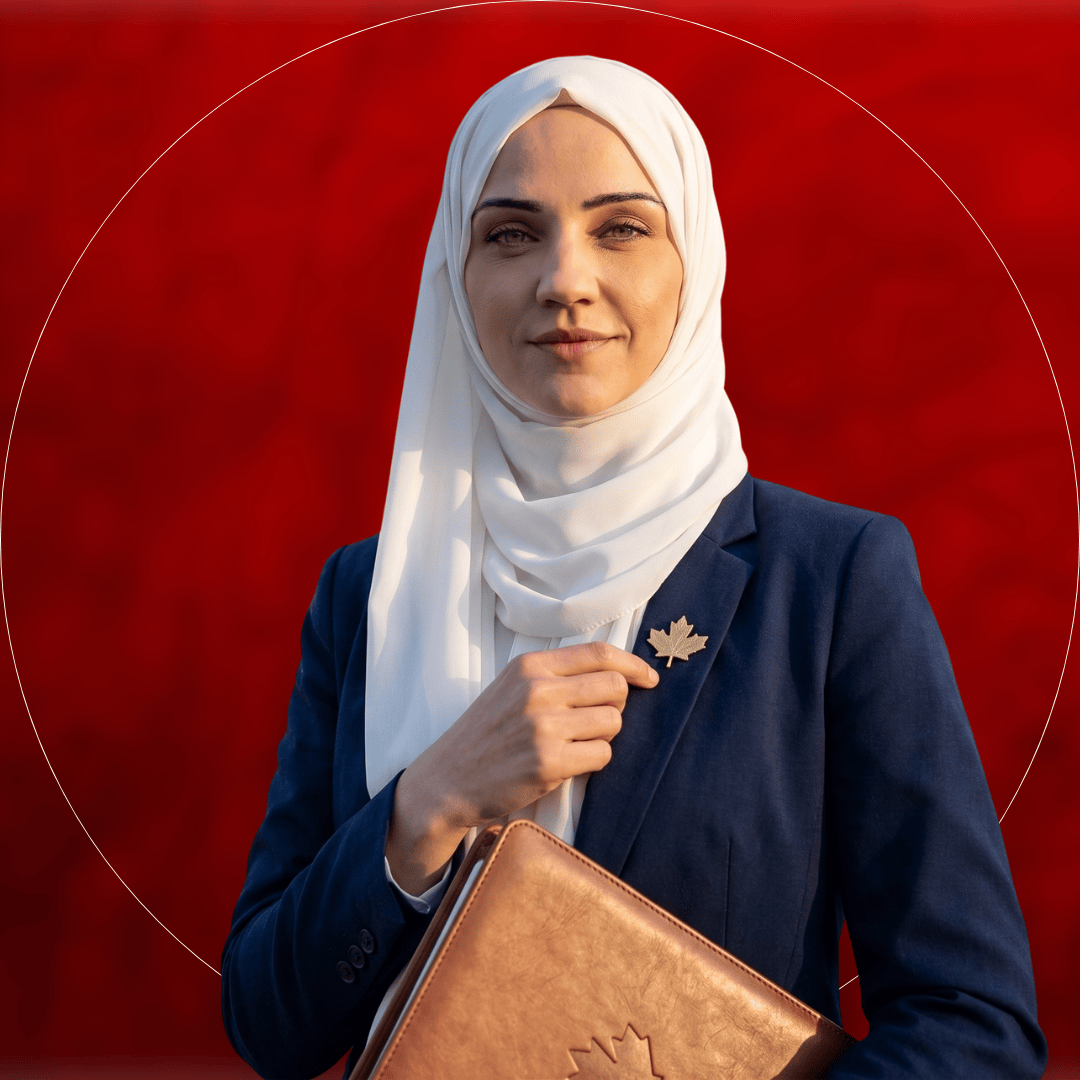
Dr. Rahaf Ajaj
College of Engineering, Abu Dhabi University, UAE
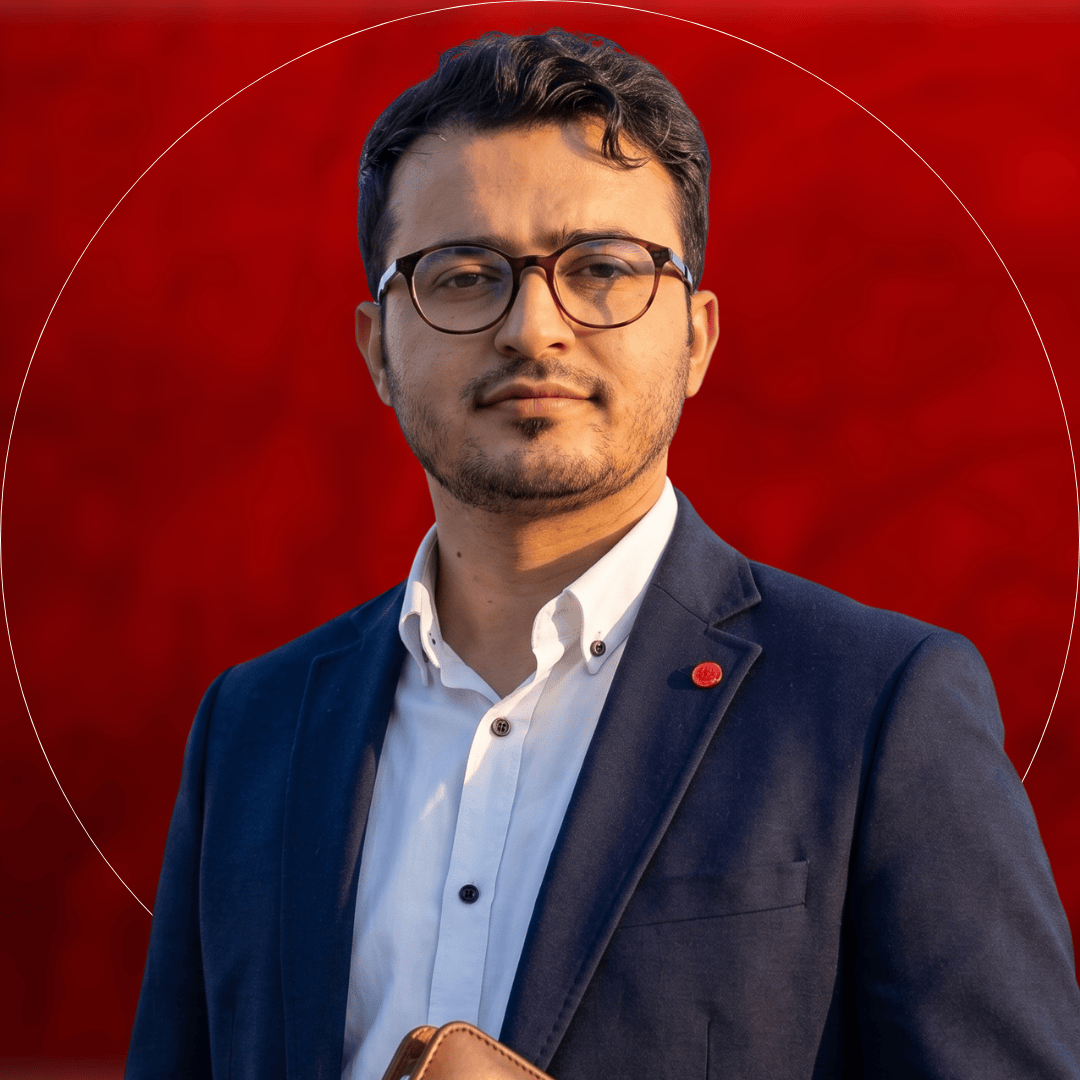
Dr. Zafar Said
United Arab Emirates University
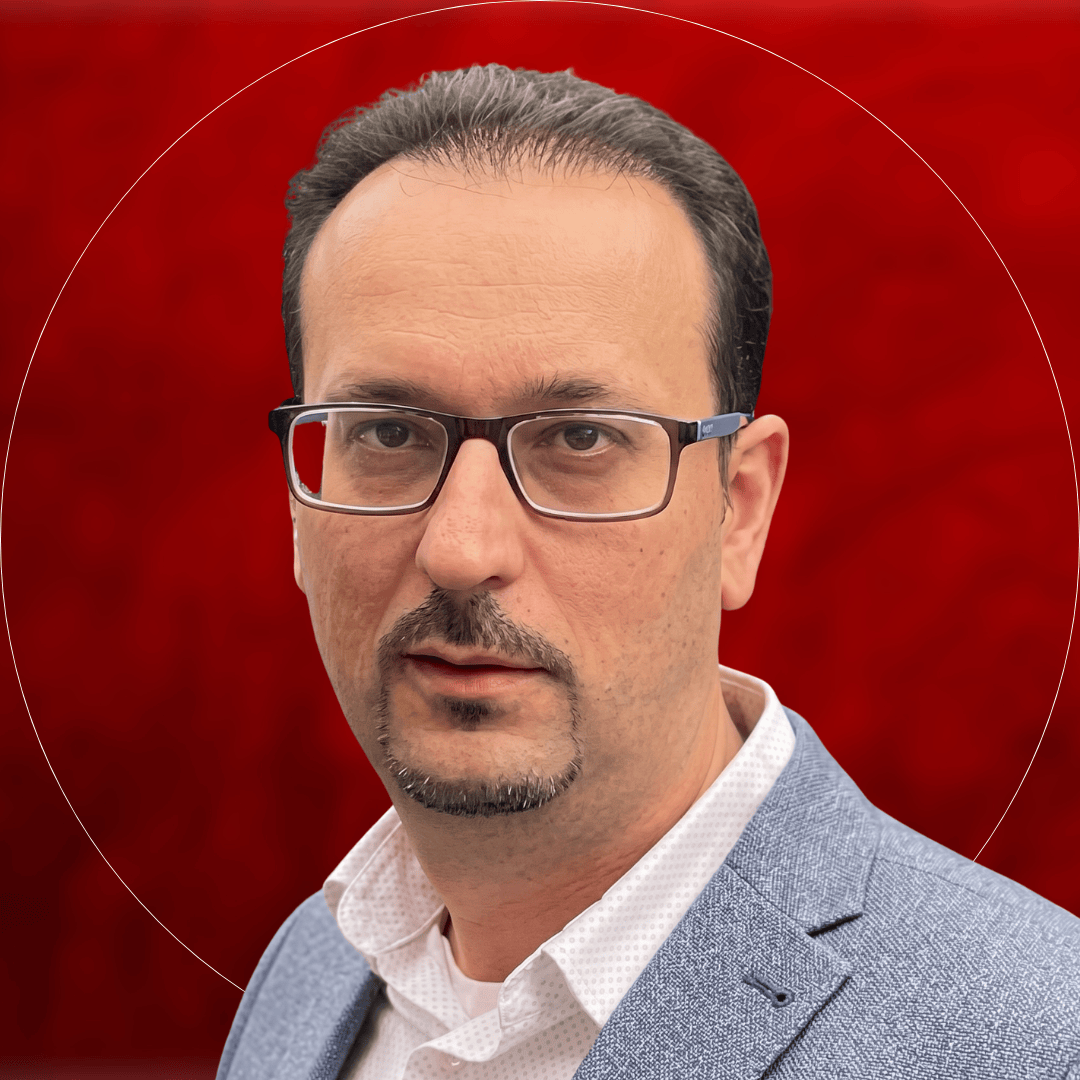
Dr. Anas Nahil
UK
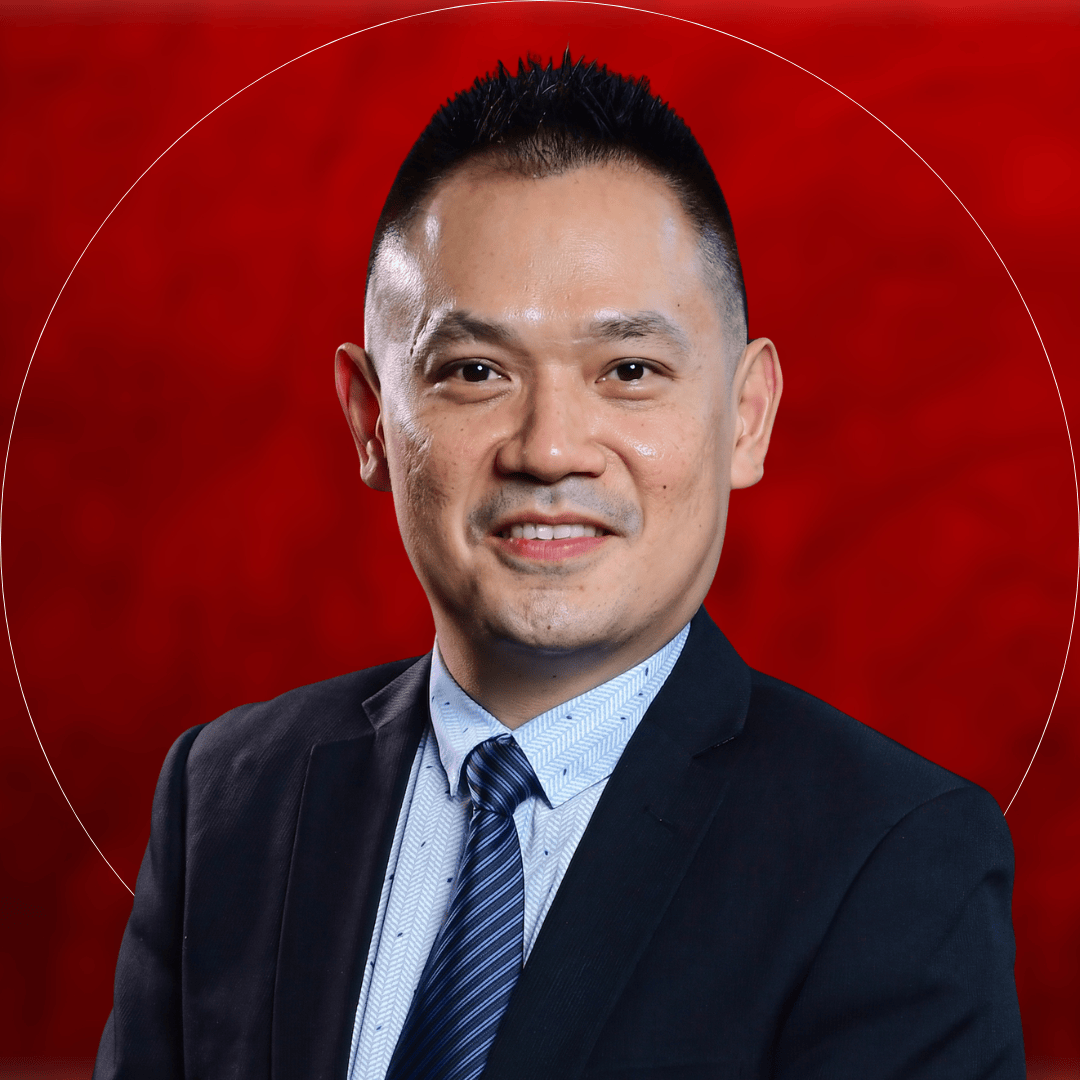
Prof. Lam Su Shiung
Professor at the Institute of Tropical Aquaculture and Fisheries
Universiti Malaysia Terengganu (UMT), Malaysia
Keynote Speaker
Microwave-Assisted Conversion of Biomass and Waste: A Circular Strategy for Energy and Resource Recovery
Prof. Lam is a Professor at the Institute of Tropical Aquaculture and Fisheries, Universiti Malaysia Terengganu (UMT), Malaysia. He obtained his Ph.D. in Chemical Engineering from the University of Cambridge and is internationally recognized for his research in thermochemical conversion technologies, including pyrolysis, microwave heating, biomass valorization, and waste-to-resource systems. He has published over 300 peer-reviewed papers, with an h-index of 113 and more than 43,000 citations. Prof. Lam has secured over 43 research grants, developed patented technologies that have been commercialized through industry partnerships, and actively promotes international research collaboration. He is a Fellow of the International Association for Carbon Capture and holds several visiting and adjunct professorships worldwide. Prof. Lam will deliver a keynote address highlighting innovative microwave-assisted technologies for converting biomass and waste into valuable energy and resource products, supporting circular economy and sustainable development goals.
Programme Agenda
SWM2026 Agenda
Two days of keynotes, invited talks and technical sessions across three parallel tracks — 14–16 September 2026, Oman Convention & Exhibition Centre, Muscat.
Programme is subject to change. Times are local (GST, UTC+4).
1st February 2026
30th May 2026
1st June 2026
1st July 2026